TUESDAY, MAY 19 | 4:30 – 6:00 pm
PLENARY KEYNOTE PRESENTATION: Rare Conversations: Explorations of the Research, Funding, and Advocacy for Rare Diseases
 Thomas Bartlett, Ambassador, MG Uniter Myasthenia Gravis, Amgen
 Catherine Brownstein, PhD, Manager, Molecular Genomics Core Facility, Boston Children's Hospital; Scientific Director, Manton Center for Orphan Disease Research Gene Discovery Core; Assistant Professor, Harvard Medical School
 Morgan Cheatham, MD, Partner, Head of Healthcare & Life Sciences, Breyer Capital
 Sebastien Lefebvre, Head of Technology, Data and AI, Aurelis Insights
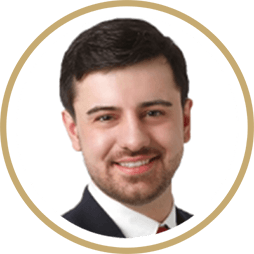 Dylan Livingston, Founder and President, The Alliance for Longevity Initiatives (A4LI)
 William Van Etten, PhD, Co-Founder & Principal Consultant, StarfleetBio
 Susan J. Ward, PhD, Founder & Executive Director, cTAP
In a unique plenary series of intimate conversations, we will explore the models, drivers, and challenges facing rare disease research. By uniting leaders in precision medicine, bioinformatics, national rare-disease infrastructure, and real-world legislative advocacy, we will give attendees an expansive, cross-disciplinary view of what’s required to deliver faster, more accurate, and more equitable rare-disease cures.
WEDNESDAY, MAY 20 | 8:00 – 9:30 am
PLENARY KEYNOTE PRESENTATION: The Collaboration Breakthrough: How Federated Learning Is Rewriting the Rules of Drug Discovery
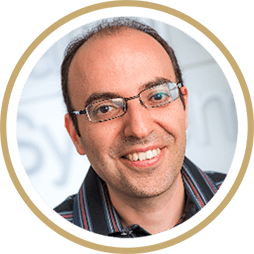 Mohammed AlQuraishi, PhD, Assistant Professor, Systems Biology, Columbia University
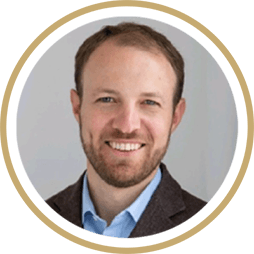 Jonathan B. Gilbert, PhD, Senior Director, Ecosystem Growth and Contributor Partnerships, Eli Lilly and Company
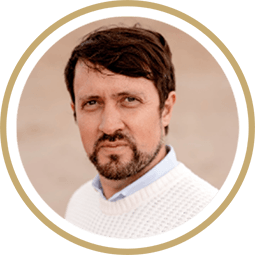 José-Tomás Prieto, PhD, Director of AI Programs, Apheris
 Woody Sherman, PhD, Founder and Chief Innovation Officer, Psivant Therapeutics
 Christina Taylor, PhD, Senior Science Fellow and Computational Molecular Design Lead, Bayer
 Arman Zaribafiyan, PhD, Head of Strategic Alliances, AI Simulation, SandboxAQ
The pharmaceutical industry sits on a collective treasure trove of proprietary structural biology data, yet competitive concerns have historically prevented the data sharing necessary to train the most powerful AI models for drug discovery. Federated learning is changing this paradigm, enabling biopharma companies to collaborate on AI model training while keeping sensitive data secure and confidential. This plenary session explores the groundbreaking AI Structural Biology (AISB) Network, where industry leaders are pooling proprietary protein-ligand structure data to collaboratively train OpenFold3, an AI model designed to predict molecular interactions with precision approaching X-ray crystallography. Through the federated computing platform, thousands of experimentally determined protein–small molecule structures remain securely at their original locations while contributing to a shared learning framework that no single organization could achieve alone. This session reveals how federated learning solves the industry's most persistent challenge: unlocking collective intelligence while protecting intellectual property. Attendees will hear directly from consortium leaders about:
- The technical architecture enabling privacy-preserving collaborative AI training across competing organizations
- Real-world implementation of federated learning platforms and computational governance frameworks
- Strategic rationale for industry collaboration: why sharing model training beats going it alone
- Impact and outcomes from early OpenFold3 results in predicting binding affinities and accelerating small molecule discovery
- The future of collaborative AI in biopharma, from structural biology to clinical development
THURSDAY, MAY 21 | 8:00 – 9:45 am
PLENARY KEYNOTE PRESENTATION: Generative AI across Drug Discovery Tasks
 Jeremy L. Jenkins, PhD, US Head, Discovery Sciences, Novartis BioMedical Research
Many steps in drug discovery are informed by large-scale biological and chemical data, from genomics to the chemical universe, to phenotypic cell profiling. Generative-ML models are increasingly being deployed across these domains, including single-cell foundation models for target discovery, generative chemistry for rapid ligand design, and transfer learning to accelerate image analysis. Practical applications of generative AI in early drug discovery will be described, including simulated functional-genomics screens with in silico perturbations; compound design conditioned on protein pockets; and in silico-labeling approaches that replace traditional image staining. Together, these advances illustrate how generative AI is transforming how drug discovery research is conducted.
Limited Number of Passes Available | In-Person Only
(Discount codes not applicable on Exhibit Hall passes)